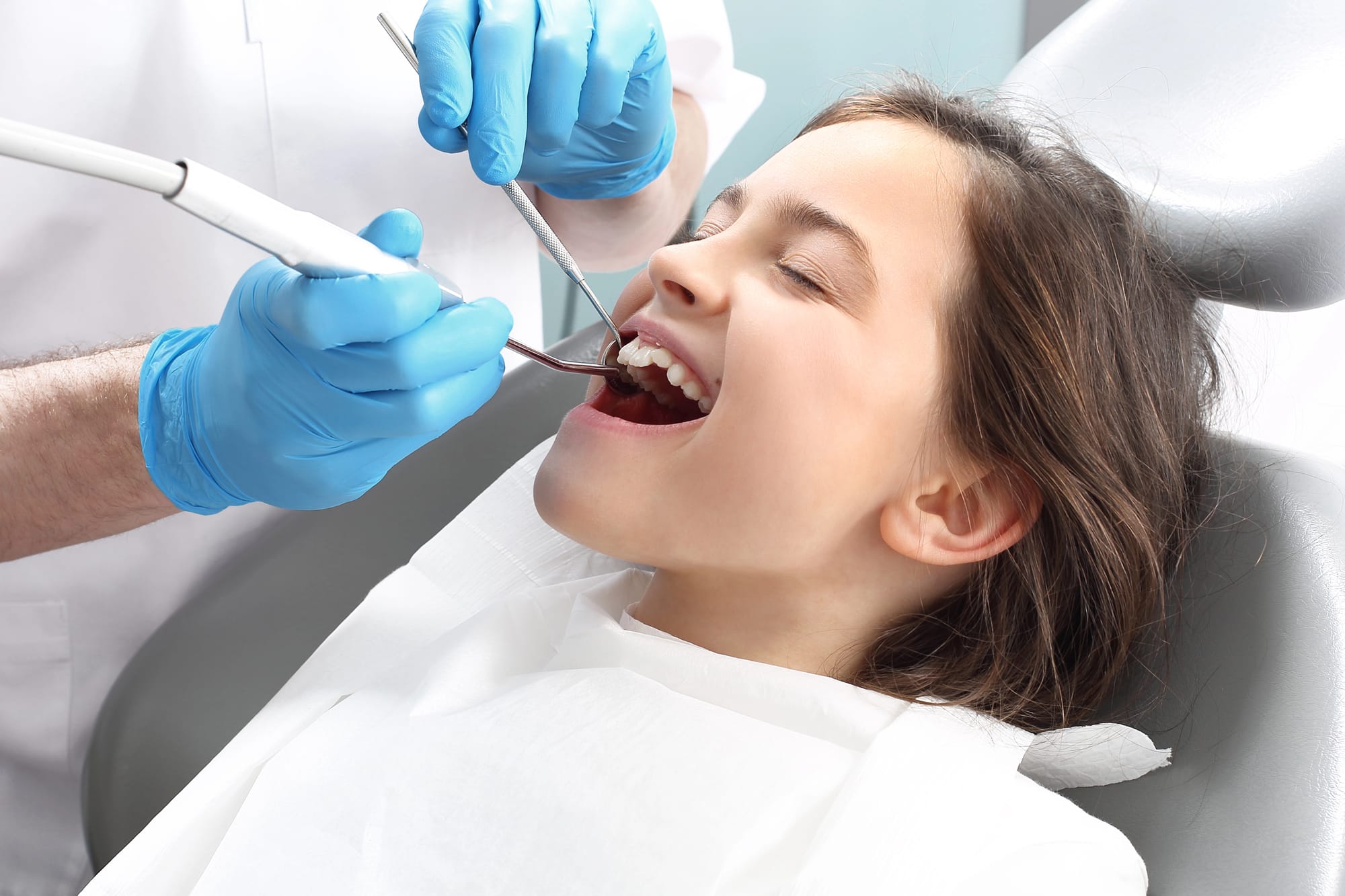
Our oral surgery procedures correct issues within the oral cavity that can affect good oral health. Each treatment is backed by advanced training and focused on supporting healing and long-term care:
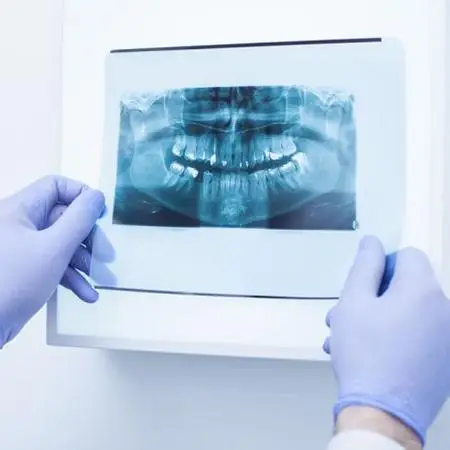
Wisdom tooth extraction is required when third molars become impacted, crowded, or infected. Removing these teeth prevents damage to adjacent molars, reduces the risk of gum disease, and eliminates chronic jaw pain caused by improper eruption or lack of space in the dental arch.
Wisdom teeth often emerge in the late teens or early twenties. Because the human jaw frequently lacks the space to accommodate these extra molars, they can become "stuck" (impacted) under the gum line. We utilize digital X-rays to monitor these teeth and recommend extraction before they cause significant orthodontic shifting or painful cysts.
When a tooth is badly damaged or missing, dental implants offer a long-lasting solution to restore function and appearance. Our oral surgery treatment option involves placing a titanium post into the jawbone, creating a stable foundation for a crown that feels and works like a natural tooth.
Over time, the implant bonds with your bone, preventing shifting and bone loss in the mouth. This process, called osseointegration, allows the implant to fuse securely with the bone, mimicking the strength and stability of a natural tooth root. The result protects your oral health while restoring your ability to chew, speak, and smile confidently.
When bone or gum tissue is lost from missing teeth, injury, or disease, the structure of your mouth becomes compromised. Without healthy bone, the jaw can shrink over time, affecting facial shape and making oral surgery treatment options like implants difficult.
Bone grafts use granulated material to stimulate new bone growth, rebuilding strength where it's needed most. We also perform gum grafts to repair areas where the gums have receded, exposing the roots of your teeth. These grafting procedures support long-term stability and healthier oral health outcomes.
At East Kildonan Dental, we understand that oral surgery procedures can bring anxiety and uncertainty. That's why we offer advanced sedation options to put your mind at ease and calm you before and during your appointment.
Our dentist offers several treatment options to ensure comfort during procedures like gum grafts, tooth extractions, and dental implants:
Most patients recover from minor oral surgery within 3 to 7 days. Initial healing involves blood clot formation within the first 24 hours, followed by a reduction in swelling and discomfort over the next week as the soft tissues begin to close and the healing process stabilizes. Our Winnipeg dental surgeons have found that 95% of post-operative discomfort can be managed effectively with a combination of prescribed protocols and rest during the first 48 hours.
Take the first step toward confident care with Winnipeg oral surgery you can trust. Book your consultation today and let EK Dental guide you through every option for your oral health needs.
After your procedure, your dentist will provide personalized care instructions to support proper healing. Thoughtful recovery planning helps ease discomfort and promote a safe return to daily life.
After oral surgery, it's normal to notice swelling or tenderness as your body begins to heal. Whether recovering from wisdom teeth removal or dental implants, your dentist will guide you through post-care essentials. Be sure to follow your surgeon's instructions for managing discomfort and protecting your oral health during the healing process.
While every patient heals at their own pace, there are common stages you can expect after treatments like extractions or dental implants.
Here are the most commonly asked questions we hear from patients:
Yes, most insurance companies in Manitoba cover oral surgery procedures that are medically necessary for maintaining your oral health.
Recovery time for oral surgery varies by procedure, but most dentistry patients heal within 1 to 2 weeks.
Patients may need oral surgery procedures for issues like impacted teeth, severe decay, or jawbone loss. Schedule a consultation with your dentist to explore the right services for your needs.